0 £0.00
products in your basketto quote Checkout
Ooops no items were found.
Try something else.
Ok
Loading…

*Specialist Knowledge

*50 Years in Business

*Personal Contact

*Fast UK Delivery

*Big Discounts

*Credit Accounts

Winter Cleaning & Hygiene: Be Ready for Bug Season
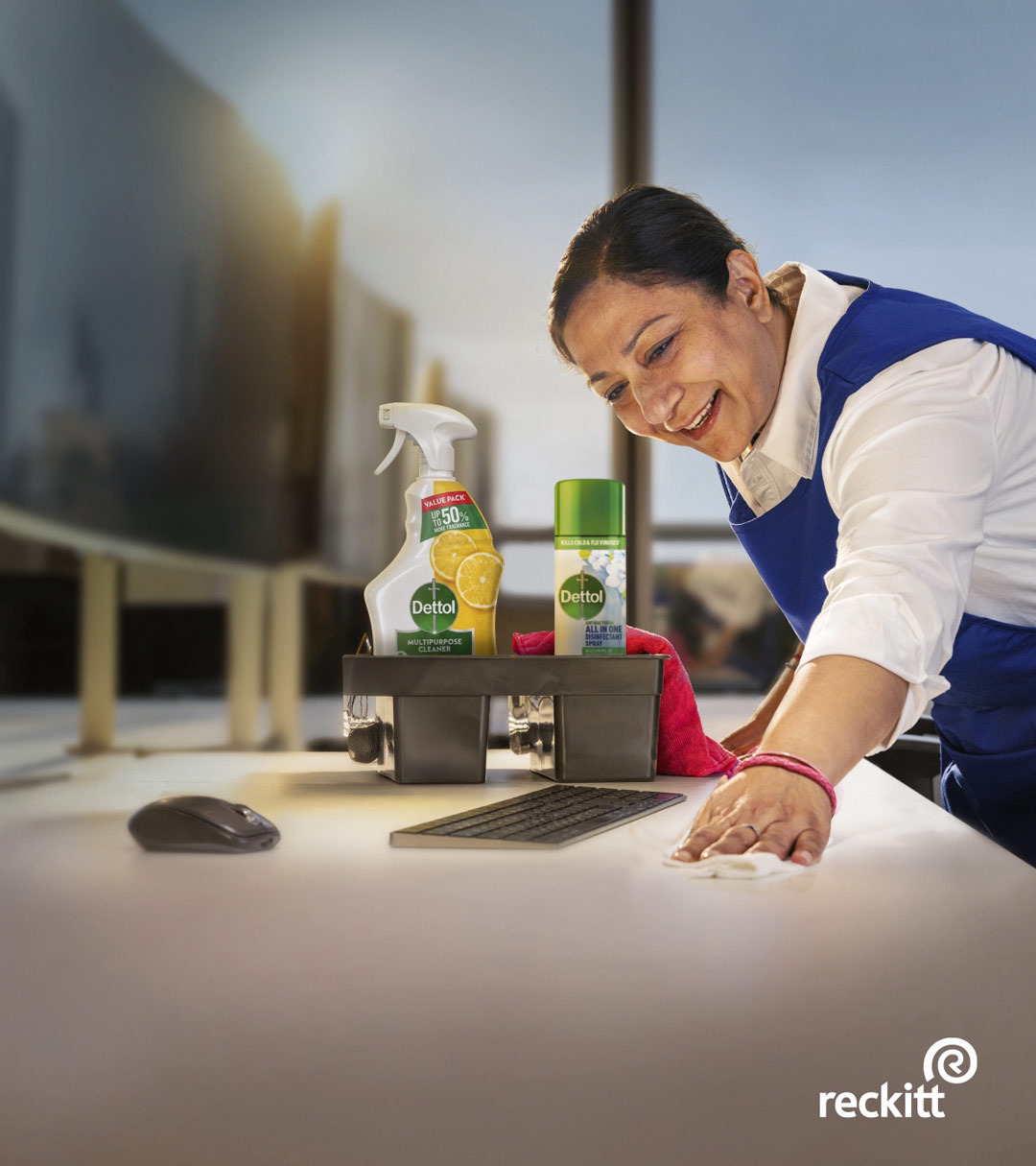
As the days get shorter and temperatures begin to fall, life increasingly moves indoors. Schools are back in full swing, workplaces become busier, GP surgeries face greater demand and care homes prepare for what can be one of the most challenging periods of the year.

It is also the season when colds, flu and other respiratory infections become more common.

There is no way to eliminate the risk of winter bugs completely, but good hygiene and regular cleaning can form an important part of creating a healthier, more hygienic environment. In particular, paying attention to the surfaces that are touched repeatedly throughout the day can help reduce the opportunity for germs to spread in shared spaces.

Why winter brings an extra challenge

During autumn and winter, we naturally spend more time indoors, often in closer proximity to other people. At the same time, a number of respiratory viruses can be circulating, including influenza, RSV, COVID-19 and the many viruses responsible for the common cold.

That combination can make busy shared environments particularly challenging.

In schools, children share desks, equipment, doors and communal areas. In workplaces, colleagues use the same meeting rooms, kitchens, washrooms and equipment. GP surgeries regularly welcome people who are already feeling unwell, while care homes have the additional responsibility of looking after older and potentially more vulnerable residents.

It means the everyday surfaces we barely notice can become an important part of the cleaning routine.

Do not just clean the obvious

Floors, toilets and kitchens naturally receive plenty of attention, but during cold and flu season it is worth thinking about the places that hands touch throughout the day.

Door handles and push plates, light switches, desks, tables, phones, keyboards, taps, toilet flushes, handrails, remote controls, shared kitchen surfaces and communal equipment can all be touched by numerous people.

Building these high-touch areas into a regular cleaning routine is a simple way to support better everyday hygiene.

Different environments, similar challenges

Every shared environment presents its own challenges.

Schools bring large numbers of children and staff together each day, while workplaces provide plenty of opportunities for bugs to move between colleagues and, ultimately, their households.

Healthcare settings have different considerations. GP surgeries can see increased numbers of patients during periods when respiratory illnesses are circulating, making established cleaning and infection-control procedures particularly important.

Care homes require particular care because residents may be more vulnerable to respiratory illness. UK surveillance data found that 81% of reported acute respiratory infection incidents in closed settings between October 2023 and April 2024 occurred in care homes.

Whatever the environment, preparation matters. Having suitable cleaning products readily available makes it easier for staff to maintain routines rather than reacting when illness is already widespread.

Cleaning is only part of the picture

Of course, there is no single answer to preventing winter illnesses.

Regular handwashing, good ventilation, covering coughs and sneezes, staying away from others when unwell and following appropriate vaccination advice can all play a part. Cleaning should sit alongside these measures as part of a sensible approach to winter hygiene.

It is also important to remember that not every cleaning product does the same job. A general-purpose cleaner is designed primarily to remove dirt and grime, while suitable disinfectants are designed to reduce microorganisms on surfaces when used correctly.

Always check the label, use products for their intended purpose and follow the manufacturer's instructions, including any specified contact time.

Get ready before winter bugs peak

The middle of a busy cold and flu season is not the best time to discover that essential cleaning supplies are running low.

October and November provide a useful opportunity to review stock levels, check cleaning routines and make sure the products needed for the months ahead are readily available.

That might mean checking hand soap and hand towels, surface cleaners and disinfectants, washroom products, wipes, refuse sacks, paper products and other everyday cleaning and hygiene essentials.

A little preparation now can make maintaining good standards much easier when winter is at its busiest.

Clean surfaces. Good hygiene. Better preparation.

Winter bugs may be difficult to avoid completely, but being prepared and maintaining good hygiene is something every workplace, school, care setting and household can do.

Browse Cleaning Supplies and Washroom Supplies

Winter Cleaning & Hygiene: Be Ready for Bug Season

As the days get shorter and temperatures begin to fall, life increasingly moves indoors. Schools are back in full swing, workplaces become busier, GP surgeries face greater demand and care homes prepare for what can be one of the most challenging periods of the year.

It is also the season when colds, flu and other respiratory infections become more common.

There is no way to eliminate the risk of winter bugs completely, but good hygiene and regular cleaning can form an important part of creating a healthier, more hygienic environment. In particular, paying attention to the surfaces that are touched repeatedly throughout the day can help reduce the opportunity for germs to spread in shared spaces.

Why winter brings an extra challenge

During autumn and winter, we naturally spend more time indoors, often in closer proximity to other people. At the same time, a number of respiratory viruses can be circulating, including influenza, RSV, COVID-19 and the many viruses responsible for the common cold.

That combination can make busy shared environments particularly challenging.

In schools, children share desks, equipment, doors and communal areas. In workplaces, colleagues use the same meeting rooms, kitchens, washrooms and equipment. GP surgeries regularly welcome people who are already feeling unwell, while care homes have the additional responsibility of looking after older and potentially more vulnerable residents.

It means the everyday surfaces we barely notice can become an important part of the cleaning routine.

Do not just clean the obvious

Floors, toilets and kitchens naturally receive plenty of attention, but during cold and flu season it is worth thinking about the places that hands touch throughout the day.

Door handles and push plates, light switches, desks, tables, phones, keyboards, taps, toilet flushes, handrails, remote controls, shared kitchen surfaces and communal equipment can all be touched by numerous people.

Building these high-touch areas into a regular cleaning routine is a simple way to support better everyday hygiene.

Different environments, similar challenges

Every shared environment presents its own challenges.

Schools bring large numbers of children and staff together each day, while workplaces provide plenty of opportunities for bugs to move between colleagues and, ultimately, their households.

Healthcare settings have different considerations. GP surgeries can see increased numbers of patients during periods when respiratory illnesses are circulating, making established cleaning and infection-control procedures particularly important.

Care homes require particular care because residents may be more vulnerable to respiratory illness. UK surveillance data found that 81% of reported acute respiratory infection incidents in closed settings between October 2023 and April 2024 occurred in care homes.

Whatever the environment, preparation matters. Having suitable cleaning products readily available makes it easier for staff to maintain routines rather than reacting when illness is already widespread.

Cleaning is only part of the picture

Of course, there is no single answer to preventing winter illnesses.

Regular handwashing, good ventilation, covering coughs and sneezes, staying away from others when unwell and following appropriate vaccination advice can all play a part. Cleaning should sit alongside these measures as part of a sensible approach to winter hygiene.

It is also important to remember that not every cleaning product does the same job. A general-purpose cleaner is designed primarily to remove dirt and grime, while suitable disinfectants are designed to reduce microorganisms on surfaces when used correctly.

Always check the label, use products for their intended purpose and follow the manufacturer's instructions, including any specified contact time.

Get ready before winter bugs peak

The middle of a busy cold and flu season is not the best time to discover that essential cleaning supplies are running low.

October and November provide a useful opportunity to review stock levels, check cleaning routines and make sure the products needed for the months ahead are readily available.

That might mean checking hand soap and hand towels, surface cleaners and disinfectants, washroom products, wipes, refuse sacks, paper products and other everyday cleaning and hygiene essentials.

A little preparation now can make maintaining good standards much easier when winter is at its busiest.

Clean surfaces. Good hygiene. Better preparation.

Winter bugs may be difficult to avoid completely, but being prepared and maintaining good hygiene is something every workplace, school, care setting and household can do.

Browse Cleaning Supplies and Washroom Supplies

SEARCH ×

Search