0 £0.00
products in your basketto quote Checkout
Ooops no items were found.
Try something else.
Ok
Loading…

Designing the All-Weather Office: Future-Proofing Workspaces for a Changing Climate

As climate extremes intensify, the idea of an “all-weather office” is no longer a nice-to-have—it’s essential. From scorching summer heatwaves to deep winter chills, workplaces must now adapt year-round to keep teams comfortable, healthy, and productive.

1. Climate Resilience Starts Inside

Recent years have brought record-breaking temperature swings that test the limits of traditional office environments. When buildings can’t keep up, discomfort rises, productivity dips, and health risks grow. The solution? Design for internal climate resilience from the ground up.

2. Flexible Spaces for Shifting Needs

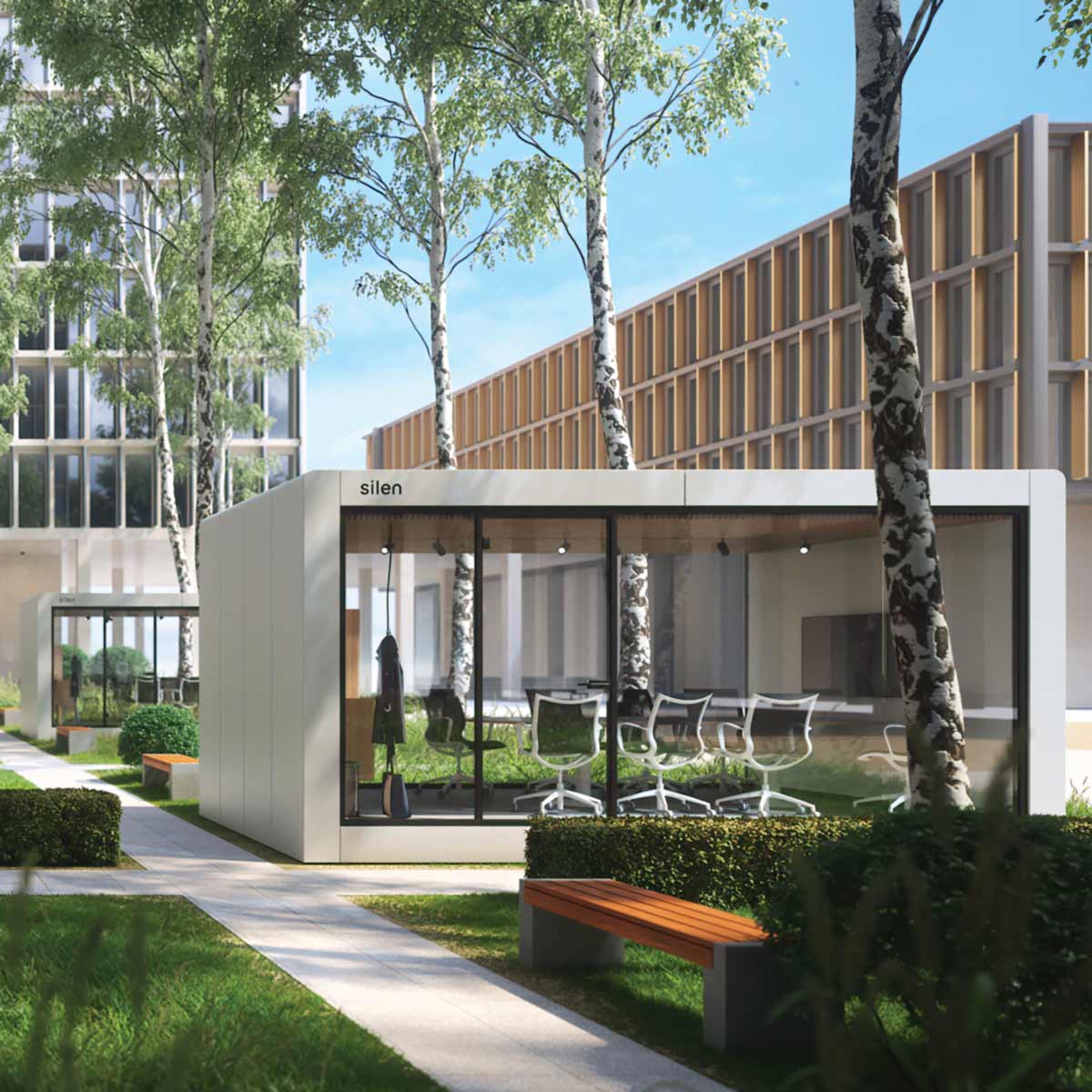
Adaptable space is key. Create zones with independent temperature and acoustic control—like meeting pods that can be cooled, heated, or quieted individually. Modular furniture and reconfigurable layouts allow teams to pivot quickly with the seasons. Mobile partitions and acoustic hubs let employees adjust their environment on demand, both physically and socially.

3. Smart Balance of Passive and Active Systems

Combining passive design strategies with active climate tech offers the best of both worlds. Features like high-performance glazing, adjustable shades, and operable windows allow for natural light and ventilation when conditions are mild. In more extreme weather, smart HVAC systems, radiant panels, and responsive thermal zoning maintain consistent comfort with efficiency.

4. Nature as a Climate Ally

Biophilic design isn’t just for looks—it’s a climate solution. Indoor greenery, living walls, and access to outdoor paths contribute to cooling, improve air quality, and reduce stress. These features support both wellbeing and sustainability, making them a powerful tool in climate-adaptive workplaces.

5. Technology That Thinks Ahead

Sensor-based systems enable real-time environmental control. By tracking temperature, CO₂ levels, occupancy, and outdoor conditions, these smart networks can adjust ventilation, lighting, and heating as needed. Many of today’s furniture solutions even integrate sensors and power modules, blending tech seamlessly into the workspace.

6. Designing for Resilience—Culturally and Physically

The all-weather office isn’t just about systems—it’s about empowering people. Features like moveable partitions, personal heating devices, and task-specific seating let employees tailor their own micro-environments. Planning for disruptions—like power cuts or HVAC maintenance—with flexible layouts and contingency systems ensures operations continue smoothly, no matter the weather.


Tomorrow’s Office Starts Today
Creating an all-weather workspace is about designing for flexibility, resilience, and wellbeing. By embracing climate-responsive design now, organisations can future-proof their offices—and support teams who are ready for whatever the forecast brings.

Designing the All-Weather Office: Future-Proofing Workspaces for a Changing Climate

As climate extremes intensify, the idea of an “all-weather office” is no longer a nice-to-have—it’s essential. From scorching summer heatwaves to deep winter chills, workplaces must now adapt year-round to keep teams comfortable, healthy, and productive.

1. Climate Resilience Starts Inside

Recent years have brought record-breaking temperature swings that test the limits of traditional office environments. When buildings can’t keep up, discomfort rises, productivity dips, and health risks grow. The solution? Design for internal climate resilience from the ground up.

2. Flexible Spaces for Shifting Needs

Adaptable space is key. Create zones with independent temperature and acoustic control—like meeting pods that can be cooled, heated, or quieted individually. Modular furniture and reconfigurable layouts allow teams to pivot quickly with the seasons. Mobile partitions and acoustic hubs let employees adjust their environment on demand, both physically and socially.

3. Smart Balance of Passive and Active Systems

Combining passive design strategies with active climate tech offers the best of both worlds. Features like high-performance glazing, adjustable shades, and operable windows allow for natural light and ventilation when conditions are mild. In more extreme weather, smart HVAC systems, radiant panels, and responsive thermal zoning maintain consistent comfort with efficiency.

4. Nature as a Climate Ally

Biophilic design isn’t just for looks—it’s a climate solution. Indoor greenery, living walls, and access to outdoor paths contribute to cooling, improve air quality, and reduce stress. These features support both wellbeing and sustainability, making them a powerful tool in climate-adaptive workplaces.

5. Technology That Thinks Ahead

Sensor-based systems enable real-time environmental control. By tracking temperature, CO₂ levels, occupancy, and outdoor conditions, these smart networks can adjust ventilation, lighting, and heating as needed. Many of today’s furniture solutions even integrate sensors and power modules, blending tech seamlessly into the workspace.

6. Designing for Resilience—Culturally and Physically

The all-weather office isn’t just about systems—it’s about empowering people. Features like moveable partitions, personal heating devices, and task-specific seating let employees tailor their own micro-environments. Planning for disruptions—like power cuts or HVAC maintenance—with flexible layouts and contingency systems ensures operations continue smoothly, no matter the weather.


Tomorrow’s Office Starts Today
Creating an all-weather workspace is about designing for flexibility, resilience, and wellbeing. By embracing climate-responsive design now, organisations can future-proof their offices—and support teams who are ready for whatever the forecast brings.

SEARCH ×