0 £0.00
products in your basketto quote Checkout
Ooops no items were found.
Try something else.
Ok
Loading…

Protecting Yourself from Identity Fraud: For Business and Individuals
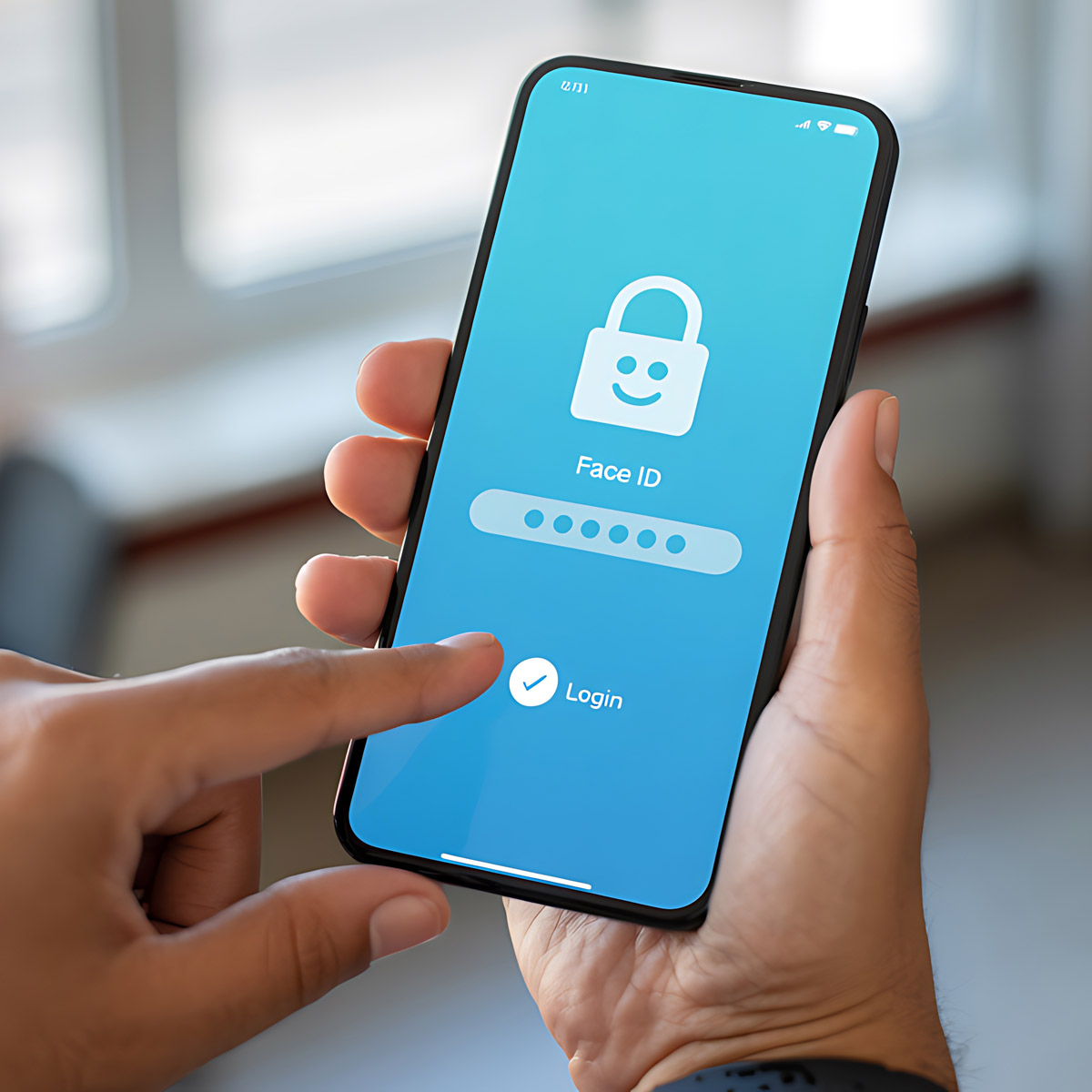
Identity fraud might feel like something that happens to other people, but the truth is it’s one of the fastest-growing crimes in the UK — and anyone can fall victim. Whether you’re running a business, working remotely, or just shopping online, fraudsters are constantly searching for ways to steal personal information and exploit it for profit.

The Scale of the Problem

The numbers tell a worrying story. According to Cifas, the UK’s fraud prevention service, there were over 277,000 cases of identity fraud in 2023 — roughly one every two minutes. And the threat is growing. With more of us working online and relying on digital services, criminals have more opportunities than ever before.

It’s not just individuals at risk. Businesses are major targets, too. Fraudsters use stolen details to open bank accounts, secure loans, or even apply for jobs. The financial loss and reputational damage can be devastating. For individuals, the impact often means months of stress, financial disruption, and endless admin to put things right.

How Identity Fraud Happens

Fraudsters don’t need much to get started. A name, date of birth, address, or bank detail can be enough to build a convincing fake identity. They collect this data in various ways, including:

  • Phishing emails or texts: Messages designed to trick you into revealing personal details.

  • Data breaches: Hackers target companies and leak customer information.

  • Social media: Oversharing birthdays, locations, or family details gives criminals useful clues.

  • Physical theft: Stealing post, discarded paperwork, or even wallets.

Once they have enough information, they can impersonate you — opening accounts, applying for credit, or carrying out scams in your name.

Spotting the Warning Signs

Identity fraud is often invisible until it’s too late. Stay alert for these red flags:

  • Unexpected letters, emails, or calls about unfamiliar accounts.

  • Bills or statements for services you never signed up for.

  • Credit refusals despite a good history.

  • Unexplained bank transactions.

  • Missing post or mail redelivered elsewhere.

Catching these early can save you time, stress, and money.

How to Protect Yourself

The good news? You can significantly reduce your risk with a few smart habits:

  1. Be cautious with personal data
    Think twice before sharing information online. Avoid posting full birthdates or addresses on social media. In business, store sensitive documents securely — not on desks or in bins.

  2. Shred, don’t bin
    Old bank statements and bills are gold to fraudsters. Shred anything containing personal details before throwing it away.

  3. Use strong, unique passwords
    A mix of letters, numbers, and symbols makes passwords harder to crack. Use a password manager to keep track securely.

  4. Enable two-factor authentication (2FA)
    Adding an extra step — like a one-time code sent to your phone — makes it far more difficult for criminals to access your accounts.

  5. Be wary of phishing attempts
    Treat unsolicited messages with caution. Don’t click links or open attachments unless you’re sure they’re genuine. When in doubt, go directly to the company’s website.

  6. Check your credit report regularly
    Services like Experian, Equifax, and TransUnion allow you to spot unusual activity early, such as credit applications you didn’t make.

  7. Redirect your post when you move
    Set up a Royal Mail redirect to prevent personal mail from falling into the wrong hands.

For Businesses: Protect Your People Too

Identity fraud is just as much a workplace risk as a personal one. Encourage staff to use secure passwords and only approved systems — especially when working remotely. Have clear data-handling policies, invest in secure document destruction, and ensure confidential information doesn’t end up in the wrong hands.

What to Do If You’re a Victim

If you think you’ve been targeted:

  • Contact your bank immediately to report suspicious activity.

  • Report the incident to Action Fraud, the UK’s national fraud reporting centre.

  • Place a fraud alert on your credit file through a credit reference agency.

  • Change your passwords on all affected accounts.

Acting quickly can help contain the damage and prevent further misuse.

Staying One Step Ahead

Identity fraud isn’t going away. As technology advances, so do the tactics criminals use. But awareness, vigilance, and good digital habits make a powerful defence.

Ultimately, protecting yourself from ID fraud isn’t about living in fear — it’s about being smart and proactive. Shred that old document, think before you click, keep your passwords strong, and pay attention to the warning signs.

Small steps today can make a big difference tomorrow — and could save you from becoming just another statistic.

Protecting Yourself from Identity Fraud: For Business and Individuals

Identity fraud might feel like something that happens to other people, but the truth is it’s one of the fastest-growing crimes in the UK — and anyone can fall victim. Whether you’re running a business, working remotely, or just shopping online, fraudsters are constantly searching for ways to steal personal information and exploit it for profit.

The Scale of the Problem

The numbers tell a worrying story. According to Cifas, the UK’s fraud prevention service, there were over 277,000 cases of identity fraud in 2023 — roughly one every two minutes. And the threat is growing. With more of us working online and relying on digital services, criminals have more opportunities than ever before.

It’s not just individuals at risk. Businesses are major targets, too. Fraudsters use stolen details to open bank accounts, secure loans, or even apply for jobs. The financial loss and reputational damage can be devastating. For individuals, the impact often means months of stress, financial disruption, and endless admin to put things right.

How Identity Fraud Happens

Fraudsters don’t need much to get started. A name, date of birth, address, or bank detail can be enough to build a convincing fake identity. They collect this data in various ways, including:

  • Phishing emails or texts: Messages designed to trick you into revealing personal details.

  • Data breaches: Hackers target companies and leak customer information.

  • Social media: Oversharing birthdays, locations, or family details gives criminals useful clues.

  • Physical theft: Stealing post, discarded paperwork, or even wallets.

Once they have enough information, they can impersonate you — opening accounts, applying for credit, or carrying out scams in your name.

Spotting the Warning Signs

Identity fraud is often invisible until it’s too late. Stay alert for these red flags:

  • Unexpected letters, emails, or calls about unfamiliar accounts.

  • Bills or statements for services you never signed up for.

  • Credit refusals despite a good history.

  • Unexplained bank transactions.

  • Missing post or mail redelivered elsewhere.

Catching these early can save you time, stress, and money.

How to Protect Yourself

The good news? You can significantly reduce your risk with a few smart habits:

  1. Be cautious with personal data
    Think twice before sharing information online. Avoid posting full birthdates or addresses on social media. In business, store sensitive documents securely — not on desks or in bins.

  2. Shred, don’t bin
    Old bank statements and bills are gold to fraudsters. Shred anything containing personal details before throwing it away.

  3. Use strong, unique passwords
    A mix of letters, numbers, and symbols makes passwords harder to crack. Use a password manager to keep track securely.

  4. Enable two-factor authentication (2FA)
    Adding an extra step — like a one-time code sent to your phone — makes it far more difficult for criminals to access your accounts.

  5. Be wary of phishing attempts
    Treat unsolicited messages with caution. Don’t click links or open attachments unless you’re sure they’re genuine. When in doubt, go directly to the company’s website.

  6. Check your credit report regularly
    Services like Experian, Equifax, and TransUnion allow you to spot unusual activity early, such as credit applications you didn’t make.

  7. Redirect your post when you move
    Set up a Royal Mail redirect to prevent personal mail from falling into the wrong hands.

For Businesses: Protect Your People Too

Identity fraud is just as much a workplace risk as a personal one. Encourage staff to use secure passwords and only approved systems — especially when working remotely. Have clear data-handling policies, invest in secure document destruction, and ensure confidential information doesn’t end up in the wrong hands.

What to Do If You’re a Victim

If you think you’ve been targeted:

  • Contact your bank immediately to report suspicious activity.

  • Report the incident to Action Fraud, the UK’s national fraud reporting centre.

  • Place a fraud alert on your credit file through a credit reference agency.

  • Change your passwords on all affected accounts.

Acting quickly can help contain the damage and prevent further misuse.

Staying One Step Ahead

Identity fraud isn’t going away. As technology advances, so do the tactics criminals use. But awareness, vigilance, and good digital habits make a powerful defence.

Ultimately, protecting yourself from ID fraud isn’t about living in fear — it’s about being smart and proactive. Shred that old document, think before you click, keep your passwords strong, and pay attention to the warning signs.

Small steps today can make a big difference tomorrow — and could save you from becoming just another statistic.

SEARCH ×